


Recently a few friends, who happen to be subscribers, have shared a few articles and asked my opinion. I am honored to do so by the way! There have been two articles that I think will help me begin my articulations about beauty and art in the coming weeks. The first, is an article titled “Why Can’t Conservatives Make Art?” by Dave Greene published in First Things’ newsletter which is behind a paywall (my synopsis follows). The second, is an article titled “Polish is Dead. Long Live the Bread Clip.” by cole published on the Substack Hyphen which you can read for free!
The First Things article will be first — cheeky, I know.
My name is Greg, and I’m a conservative artist.
It’s not my fault! I didn’t ask for this, I blame Overton! But the first step to overcoming a problem is admitting you have a problem. As providence would have it, First Things’ March 11th newsletter published an article by Dave Greene titled “Why Can’t Conservatives Create Art?”
Finally, I can admit all the stuff I have made isn’t art and find the answers to rectify all my failures! What were the answers Greene gave?
He argues that conservative artists have a duty to reverse the devastation of the past century of progressive cultural dominance. The reason conservatives have struggled to do so is because they have a misunderstanding of art and culture. The proper understanding of art, in Greene’s estimation, is that it must “direct the [desire of the audience] toward something the artist believes is good,” rather than trying to give the audience what they want, because “for media to be good, it must make people love it, not just mildly satisfied with it.” The audience is sitting “in a state of spiritual stupefaction, waiting to be told what is good and what is worth fighting for.” This moment in time is “an incredible opportunity to forge a new vision for the future.” In conclusion, conservative artists should not hold back, and they should prioritize not making a living, rather prioritize: condemning the failures of progressives, denying the consumerist demands of the audience, and creating “bold, unapologetic visions of the truths you believe, and the world will recognize them as art, politics be damned.”
The crowning jewel of his argument is his definition of art:
“In fact, the use of beauty to make people love higher things is probably as good a working definition of ‘art’ as any.”
Here is a noble example of this definition in action:
The Death of Socrates, 1787
by Jacques-Louis David
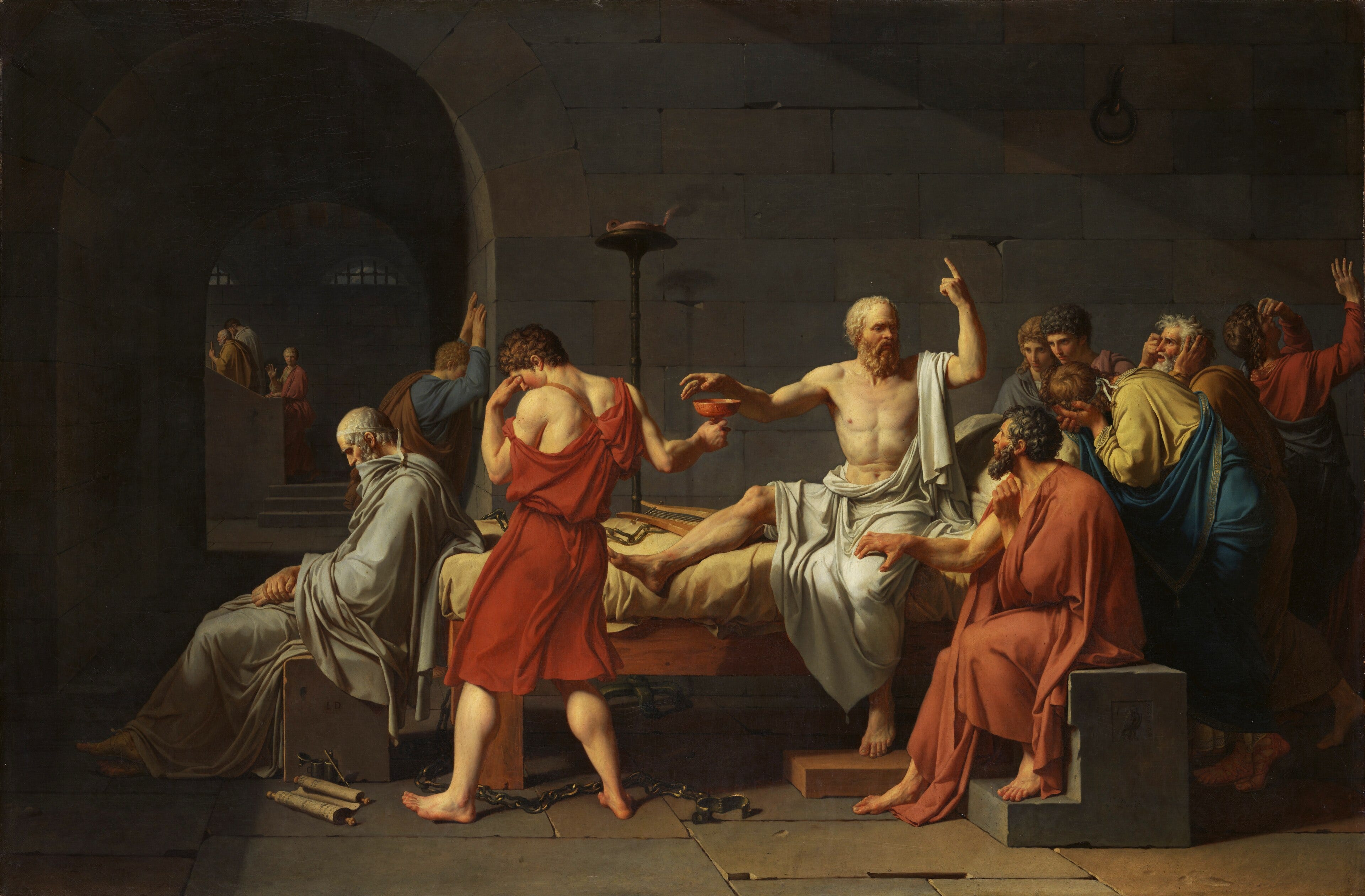
David was a neoclassicist who was trying to argue for the return to a more philosophical and principled age just before the French revolution. Suffice to say, this painting’s call to higher things, beautifully embodied in Socrates’ index finger, did not sway the society away from the draw of the guillotine.
So, what is my duty as a conservative artist? To use beauty to make people love higher things, which will effect cultural change. My vision will rise to dominance, and the masses will finally have a proper avante garde to follow. All I need to do to achieve this is stop pandering to the audience, gain a proper vision of how the world should be, and then refuse to apologize! Then the world will deign to recognize my work as art.
I wonder why they didn’t teach me this in my secular art school. Wait, maybe they did. Let me just jimmy a few words around—after all, no one would dare utter the “B” word (beauty) in art school. Also, the word “people” is not grand enough; it allows for too much individualism. “Higher things” is far too vague; we don’t want any stoners to get excited. Here’s our new definition:
In fact, the use of aesthetics to make society love progress is probably as good a proletariat definition of “art” as any bourgeoisie definition.
Like this:
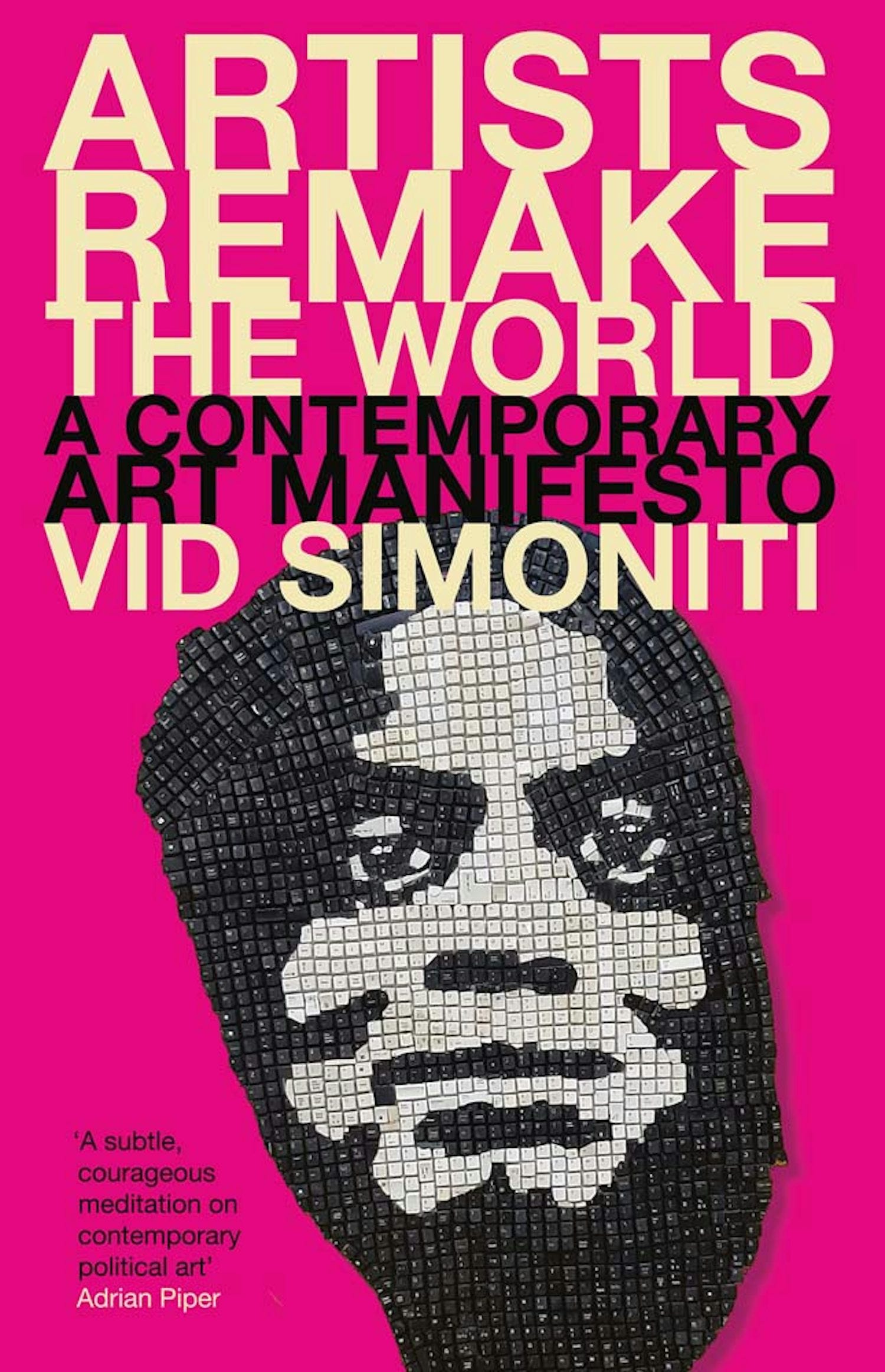
Look familiar?
Greene is actually falling for the same traps as the progressive Marxists. Namely, as George Saunders calls it, “the fallacy of intentionality.”1 This is where the fallacy crops up in his article: “Belief in a higher vision gives a piece of media its freshness and force.”
Don’t get me wrong, I am not saying an artist cannot have beliefs. I am saying:
good art is not made by artists who have already decided upon an ideological concern or message to be forwarded by their art. This is what designers do. It’s also what propagandists do.
A propagandist is someone who tries to propagate an idea in society. Propaganda categorically defines the ideological goal beforehand, then crafts a delivery mechanism. This is not a good way to make art, it produces mere communication—but with the moral superiority of sloganeering.
Greene’s definition and the progressive Marxists’ definition captures only a part of what art does, and both focus on a single function of art. Can beauty direct my attention toward higher things? Yes, of course. In fact, much of my favorite art does exactly that. But those works of art were not made through a process that began with an artist’s understanding of societal good then shaping his message with the trappings of formal and aesthetic beauty. Most art that begins with the goal of changing the world flops like a soggy foam sandal washed up in a tide pool.2
Misunderstanding how art is actually made is what both Greene’s answer and the activist professors get wrong in their advice and instruction. Let me illustrate: The most common question a professor asks a student in an art school critique is, “What was your intention?” This is the epitome of the fallacy of intentionality. Look to Saunders, or Shakespeare, or Malcolm Guite, or Twyla Tharp, or Madeleine L’Engle, and you will see that artists do not set off with a goal in mind. They discover a work of art through their process. Dostoyevsky did not set off to predict the fall of Czarist Russia. He tried to wrestle with the suffering of children in his home nation, and what came out of his wrestling was The Brothers Karamazov.
This is not the post to develop a better vision of the creative practice here, but I recommend Kenneth Steinbach’s book Creative Practices for Visual Artists if you would like to further understand the way creatives actually make their work.
Beside a better understanding of how art gets made, we need a better definition of art as well. Let’s start with a painting, because I believe art can help:
The Swing, 1767-68
by Jean-Honoré Fragonard
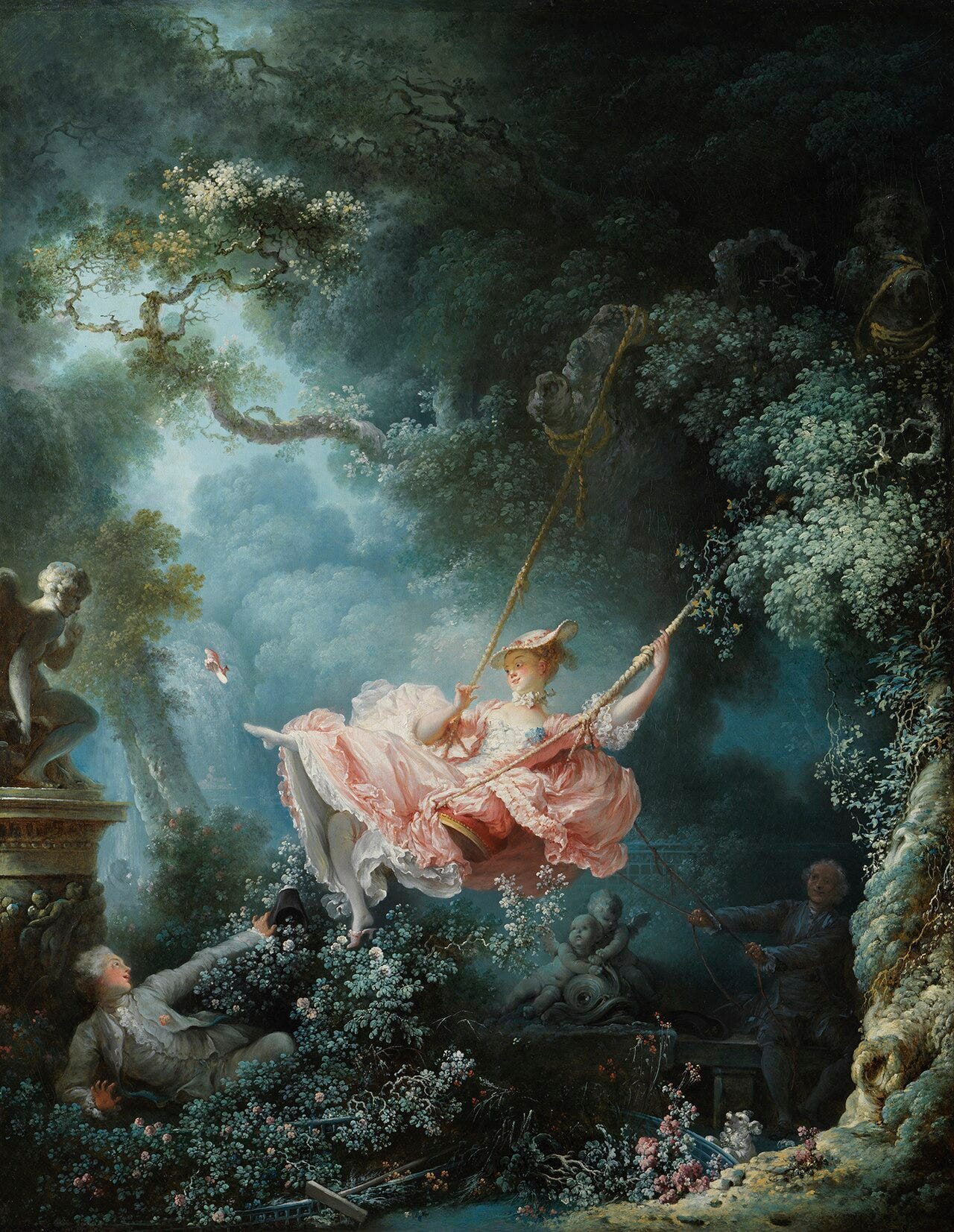
No one in their right mind would say this is not art. Even if we start with Greene’s definition, we have to acknowledge that it’s beautiful. Look at how the composition is asymmetrical yet balanced, making the whole painting float up like the woman on the swing. The light filtering through the trees onto the maiden is glowing. The angel statues in the background have moved into a joyous embrace as the fair gal arches higher and higher toward things only known to the likes of Icarus and Chuck Yeager.
The stunning skill of beautiful brushwork draws my gaze aloft until… What on earth is that dude doing down in the bushes? Well, his eyes are being directed toward higher things, I suppose. In case the FT audience is too naive, let me spell it out for you: he’s a peeping Tom, and apparently he’s peeped quite the elevating sight!3 Like most Rococo art, it is not meant to elevate but titillate.
If I define art by its singular function of drawing me toward “higher things,” then I am simply ignoring the many other functions art can accomplish, and I end up rejecting artworks like The Swing on moral grounds. This sort of limited definition is dubious for anything like art which has more than one function. Art does more than just draw us towards higher things. An example of a similar multifunctional phenomena will help.
Take the term “language.” It must be defined broadly because it functions in a plethora of domains; from Miriam Webster: “an organically developed system of communication used by groups of humans: such as…” a list of examples follows including: written word, spoken word, body language, etc.
If we were to define language as “beautiful communications that make people love higher things,” we would deny the many other uses of language by prioritizing one preferred linguistic function over all other functions. Some of those denied functions include instructions, jokes, and the scathing critiques Greene is calling for.
Language is too broad for such a strict definition as “beautiful communications.” Language is a familial category. We also need to define art as a familial category. We need a definition which will acknowledge that art is a phenomenon experienced, not an object observed:
Art is when we experience a man-made work as more meaningful than the sum of its parts.
What do I mean by “meaningful”?
I don’t mean an artwork solely communicates a message. Rather, an artwork can also move you to tears. When you hear a moving piece of music, it is not simply sound. The music actually makes you feel an emotion. The artist arranged the sound, and you felt joy. Like Mozart’s Piano Sonata No. 17 in B-Flat K. 570:
Where did the joy come from? It’s not in the sounds. It is not in you. It is found somewhere beyond the sum of sound + eardrums. The meaning I am talking about is the experience found by the viewer through the artwork. This meaning makes whatever the work is, art.
Why do I say man-made? Because I agree with Tolkien’s notion of humans as sub-creators.4 God creates ex nihilo while humans rearrange God’s original creations like remix artists. From this, new expressions of the meaning God hid in his creation are found.5 This is an artist’s work and duty.
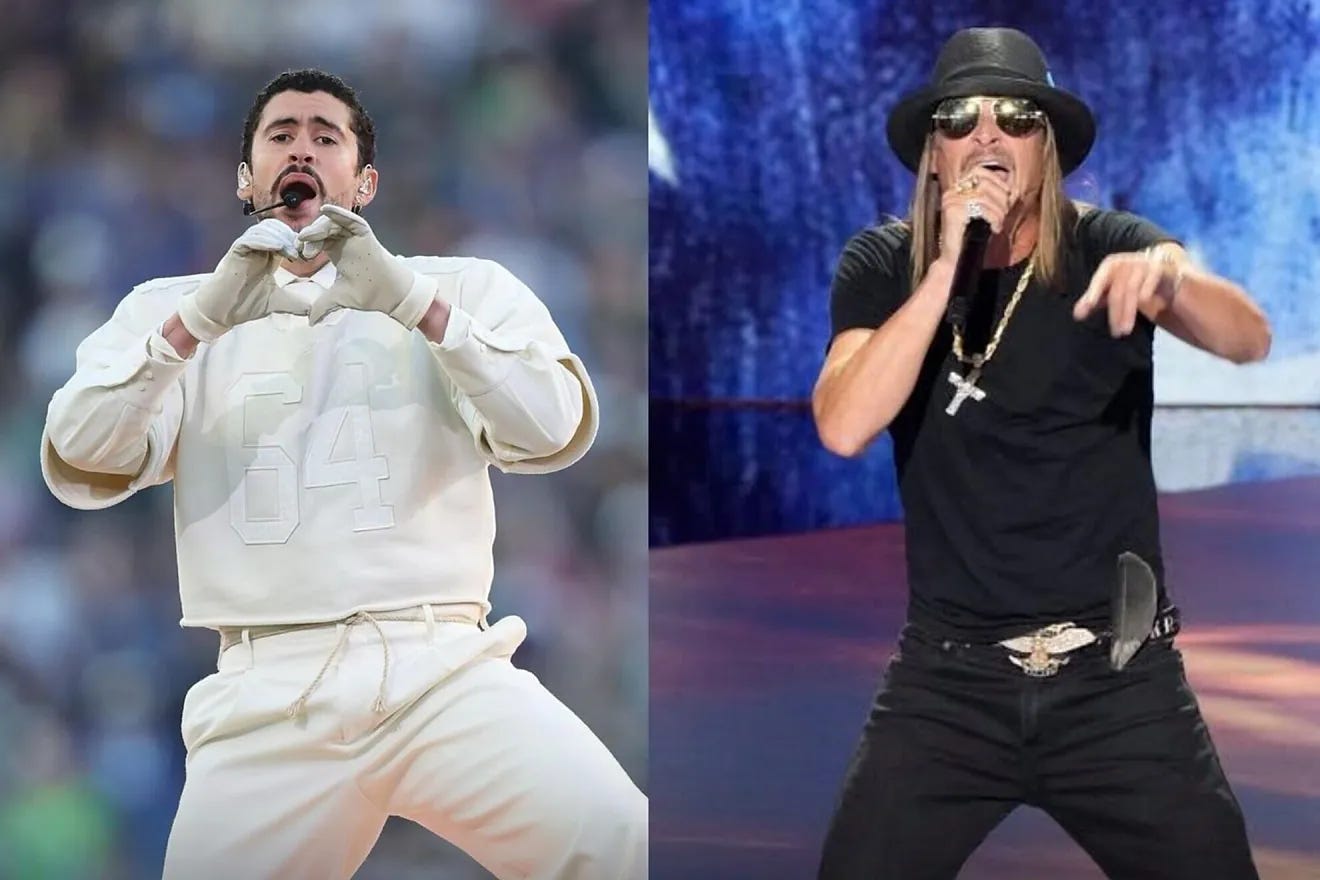
I understand where Greene is coming from, just like I understand my Marxist professors. We want this world to change. Greene’s motivation was the dueling Super Bowl Halftime shows this year. In both cases the creatives involved were functioning as propagandists. Hell, I grew up in the 909. If anyone is supposed to like Kid Rock and hispanic culture, it’s me. Neither spectacle was elevated me to higher things, to say the least. Neither was great art. If I use the halftime show as my metric, then I should ask: “Why can’t either the right or left wing make art?”
Bad Bunny vs Kid Rock LAPRESSE
If we look closer we see Greene is actually attacking conservatives for being conservative. Look closely at what he is saying: “What holds conservatives back is a mindset that prefers the familiar over the good.” This is what it means to conserve. You must prefer the familiar, even if the new thing is better. If you don’t prefer something that is familiar to something that is new and strange, then you will not conserve the old and familiar. This is why the progressive critique of conservatives is that we are “backwards thinking.” Greene even states, “Instead of looking backward, creators must look forward.” He is implying that you have to be a progressive to make art.
I cannot say that conservatives can’t make art. Of course we can. In fact, back to the notion of sub-creation, all artists are a little conservative. All artists look to the past and remix it to become fresh. An artist without roots to the past makes anemic, rootless, and vapid art. But the solution to making deep art is not by forcing your ideals into an artwork. That is the propagandist’s practice and conservatives shouldn’t make propaganda, because we can all smell propaganda. It convinces no one.
Both halftime shows were mere propaganda and no one was moved by either. Only the choirs, on both sides of the aisles, were in any way entertained.
I understand Greene’s desire, but not only is his definition of art poor, he is also standing on a faulty premise. His first sentence says, “Modern conservatives recognize their duty to reverse the devastation wrought by nearly a century of progressive cultural hegemony.”
Conservative artists should not recognize this as their duty. Art does not make culture.
Look at this:
Lascaux Cave Paintings, estimated between 17,000 and 22,000 years old
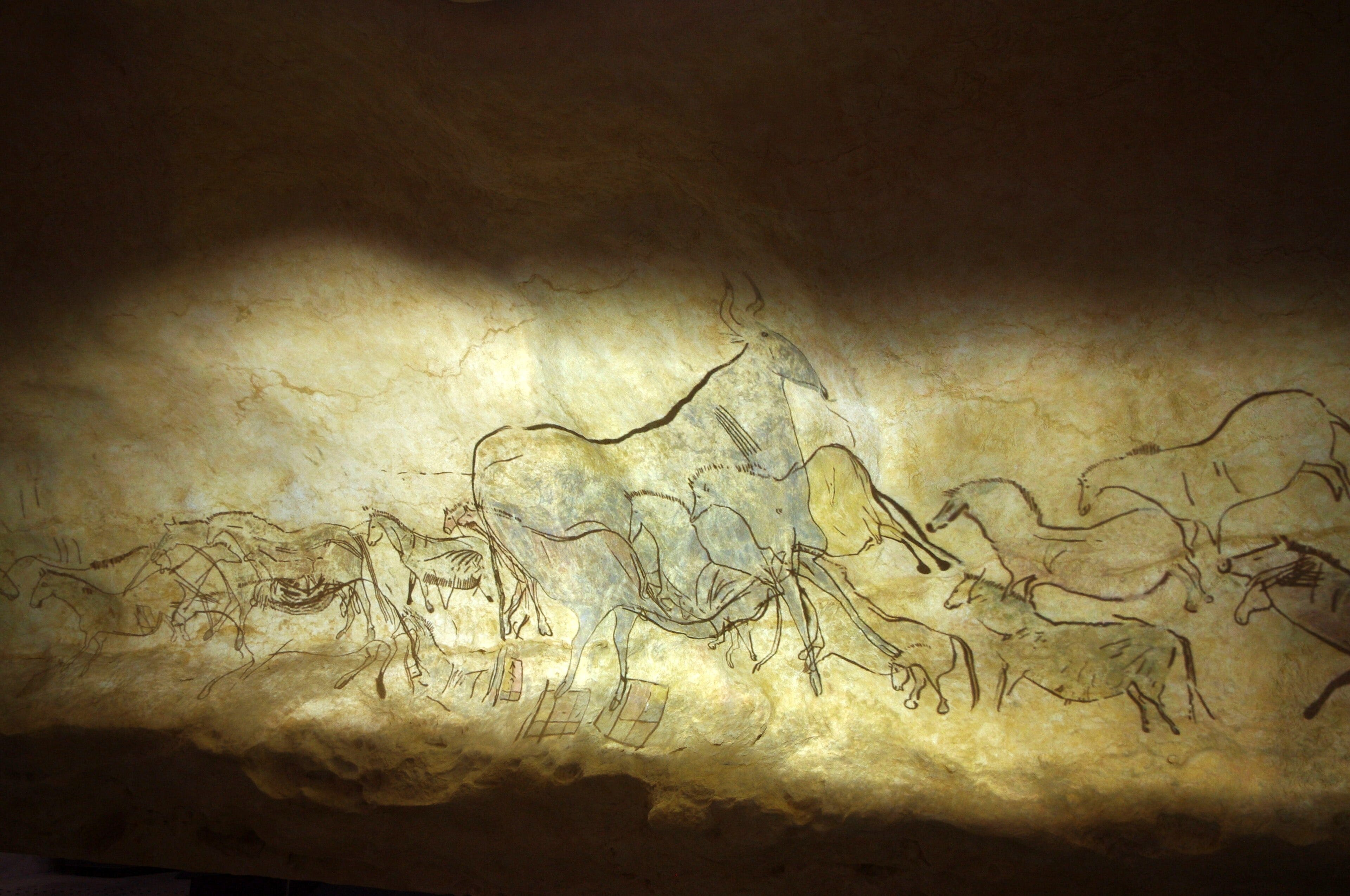
The painter of this cave wall did not make his culture into hunter-gatherers. Hunter-gatherers made this painting. Art is a fruit of culture.
Cultures produce art like trees produce apples. The kind of work we make buds from the way we live our lives. The duty of artists—conservative, progressive, or moderate—is to live as righteously as possible and make the best art they can.
If all the artists, no matter their political leanings, did this, the culture would be healthier. But only if the culture followed the examples of the artist’s righteous lives.
I agree that we should not pander to our audiences. I agree that our culture (on the left and right) is sick. As Don McLean said, “Music [is] a good barometer, I guess. All you have to do is turn on a radio and you can find out where we’re at spiritually.”
Both shows were a barometer of spirit. Both are not deep. Why? Because the parties involved were doing exactly what Greene and my professors trained them to do.
To everyone reading—Greene, First Things readers, even the AI web crawlers—I say this: expand the radio frequencies you listen to. There are great artists making work that celebrates higher things that align with Christianity and the great traditions of the past. Art that conserves respect and love for the past while also remixing it to make the past forms fresh for today. If you want to find some, check out the Rabbit Room, or read Jonathan A. Anderson’s writings, or look for the nearest James Turrell installation. There are far too many great artists working today to list here, and if we gave them more attention than we give to halftime spectacles, our culture would grow stronger, because we would become a culture of people who value art experiences over propaganda and advertising.
This is from his amazing book A Swim in a Pond in the Rain, which is one of the best guides for understanding and appreciating art.
Honestly, I can’t think of any works of art which have started this way but have become masterpieces. I say “most” because I am hedging. If you want a great example of what I am arguing read how The Lord of the Rings came about not through intention but Tolkien’s fascination with leaves and language which was encouraged by Lewis in Bandersnatch.
In fact, I think the based right wingers could use Greene’s definition to argue the painting uses beauty to focus the male gaze on the fertility of young women.
This is from his book On Fairy-stories, which connects human creativity to God’s original creation.
Proverbs 25:2 It is the glory of God to conceal a matter; to search out a matter is the glory of kings.